Wash, Dry and Fold vs. Wash and Press: What’s the Difference?
Compare folded laundry and pressed garments, decide which pieces need finishing, and prepare clear instructions before booking a service.
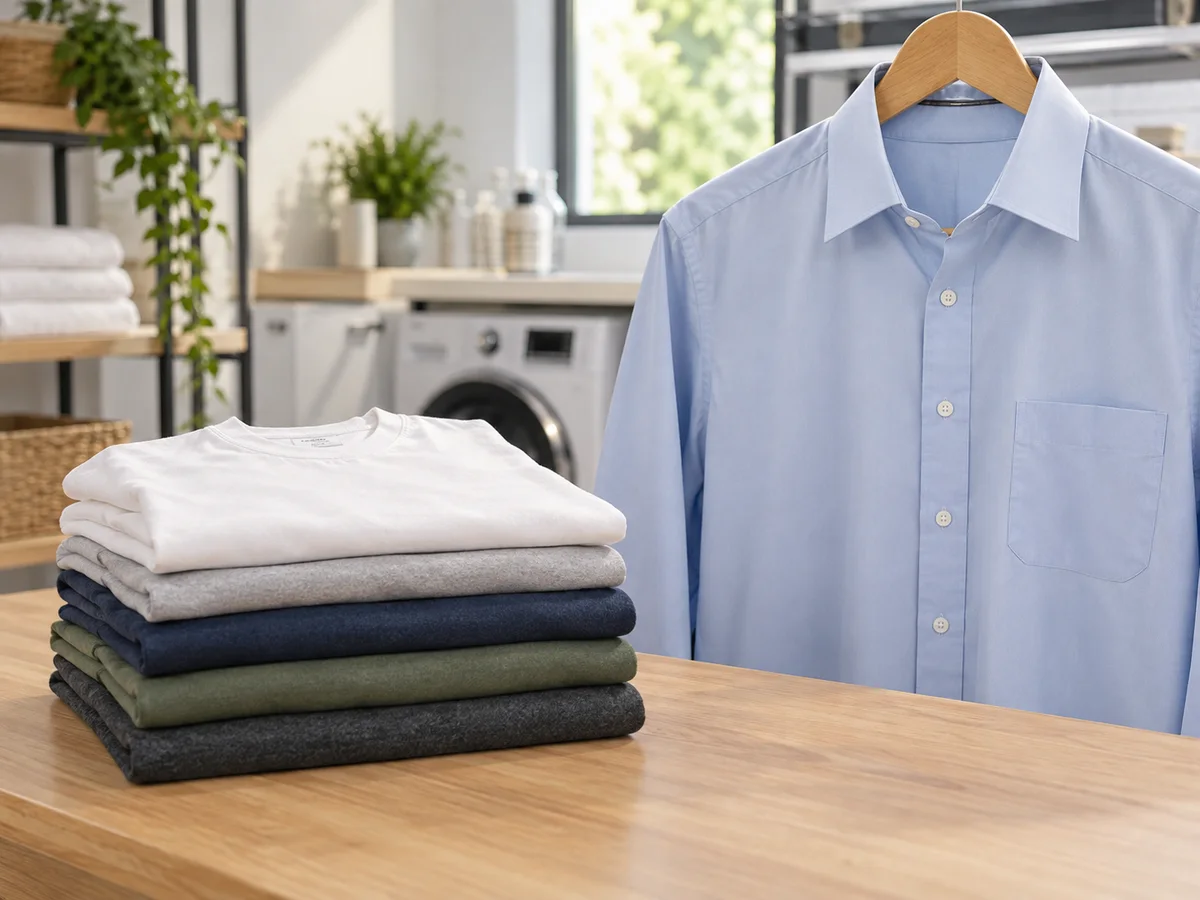
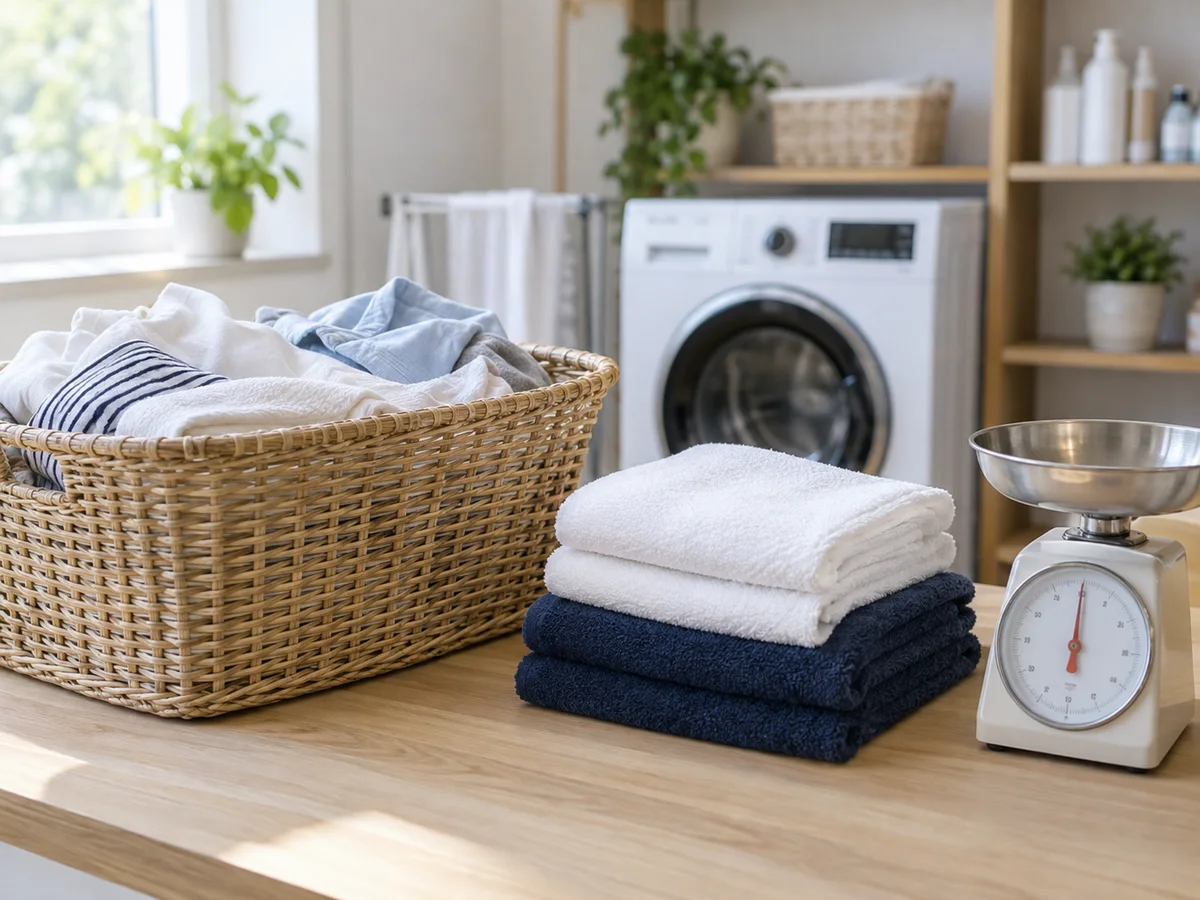
Wash, dry and fold returns suitable laundry folded for storage. Wash and press adds a finishing stage for garments that need an ironed or pressed appearance. Both names describe service packages, so confirm the actual inclusions and care requirements before booking. Pressing is not the same as dry cleaning.
The right choice often varies within one wardrobe. Everyday T-shirts may need only a folded finish, while an eligible office shirt may need attention to its collar and cuffs. First establish how each item can be cleaned; then choose how you want it returned.
What wash, dry and fold usually covers
This service describes washing, drying and folding accepted garments. It is convenient when you want compatible everyday laundry ready to put into drawers or onto shelves. A folded finish should not be interpreted as a promise that every crease has been ironed out.
Confirm which items qualify and whether the provider can follow exceptions such as no tumble drying. The phrase “everyday clothes” is a useful category, but it is not a substitute for the label on an individual garment.
Also distinguish full service from a self-service wash-and-dry arrangement. In the latter, you may be responsible for operating equipment and folding. A menu’s package name, staff responsibility and billing unit are separate details worth confirming.
If the unit of the order is confusing, see the per-kilo versus per-load explanation. It explains the intake system without deciding the finish for you.
What wash and press adds
Wash and press combines an accepted water-based clean with a finishing step, commonly ironing or pressing. Providers may return pieces on hangers or in another agreed format. Ask how the service defines its finish and what packaging is included.
WeClean lists Wash, Dry & Fold for everyday laundry. If you want an ironed or pressed finish, ask the team to confirm whether it is available for your garments and what it includes. Do not assume that a folded-laundry booking includes pressing, steam finishing or hanger return.
A pressed appearance can matter for an office shirt, washable uniform or other eligible piece. But the desired appearance does not override a heat or steam restriction. If the label rules out the finishing process, ask the maker or cleaner about an appropriate alternative.
Do not assume a request for “press” tells the cleaner every detail. Creases, starch, hanger return and treatment of decorative areas can all need clarification.
Choose the cleaning method before the finish
A garment requiring professional cleaning should not be booked into ordinary wash-and-press simply because you want it smooth. Likewise, pressing a soiled shirt is not a replacement for cleaning it.
The Drycleaning & Laundry Institute explains that care instructions can restrict heat, steam and the cleaning process. Show the full label to the provider and discuss any proposed departure before processing.
For a plain-language explanation of the cleaning routes, read dry cleaning versus laundry. That guide answers which process a garment needs; this one answers the separate question of its return finish.
Barongs need particular care in this decision. Some service menus list them under pressing or dry cleaning, but the instructions for your actual fabric, embroidery and construction take priority. Use the barong care guide before assigning one to a routine order.
Split a mixed wardrobe into useful groups
Start with labels and separate any pieces needing assessment. Among the garments accepted for ordinary laundry, identify which need a finished appearance straight from the bag and which can be stored folded.
In a hypothetical weekly order, compatible casual tops might go to wash-dry-fold while eligible work shirts receive a confirmed pressing service. A structured jacket stays in its own professional-care category. This example is a sorting exercise, not a claim about WeClean package availability.
Keep each requested service clearly identified. If a provider permits several categories in one collection, ask how it counts and tracks them. A written item list is more reliable than expecting the processing team to infer your preference from the garment style.
Avoid upgrading every item to pressing automatically. Choose it when the finish matters and the textile permits it. That keeps the order aligned with how you actually use the clothing, rather than treating a more elaborate finish as universally better.
Describe the finish you want
For a shirt, explain whether you need it returned on a hanger and whether there are areas requiring special attention. For trousers, state whether you want a defined crease or no added crease. If you are unsure what suits the garment, ask the cleaner to advise before agreeing.
Mention any “no steam” or “do not iron” instruction explicitly. Do not assume a verbal request for a crisp result communicates the limitation. If starch is part of the conversation, confirm whether it is suitable and whether you actually want it; it should not be an unstated requirement.
If a previous finish is the reference, a photograph can help explain the appearance. It cannot prove that a particular method is safe, so the cleaner still needs the label and garment assessment.
Confirm how the finished items will travel. A hanger finish can be difficult to maintain if the pieces are then squeezed into a crowded bag. Ask about packaging and arrange a return handover that lets you unpack them promptly.
Press-only is a different request
Some providers offer finishing for clothing that is already clean. Ask whether this is available and what condition the item must be in when received. Do not assume a wash-and-press package can be converted to press-only without agreement.
Inspect for stains before requesting heat. If a mark remains, disclose it rather than asking the cleaner to press over it. A garment that appears clean at a quick glance may still need assessment around the collar, cuffs or underarms.
If you washed the item yourself, explain the method and any products used when relevant. Let it dry as instructed before packing unless the provider has given a different intake procedure. The aim is a clear handover between your part of the process and the finishing service.
Write the request piece by piece
For a mixed order, a short service list makes your preference easier to act on. Here is a hypothetical list for garments already checked as suitable for the requested cleaning and finishing:
| Item group | Requested service and return |
|---|---|
| Six casual cotton tops | Wash, dry and fold if their labels permit the process |
| Two office shirts | Wash and press, on hangers if available; no added starch requested |
| One pair of trousers | Confirm the cleaning method; press with no added front crease |
| One clean blouse | Enquire about press-only, with its heat and steam restrictions attached |
The provider still needs to accept each line. In particular, press-only may not be offered, and a standard folded order may not include hanger packaging. If one request cannot be met, change that line or keep the piece back rather than allowing a vague “mixed laundry” description to stand for all four.
On the intake record, distinguish the number of individually handled pieces from the weight or load count of the casual clothes. That makes the return easier to reconcile. You can check two pressed shirts against two recorded shirts even when the folded clothing is documented by weight.
For an event outfit, also state when you need time to inspect and try it on. A return just before departure leaves little opportunity to resolve a misunderstood crease, missing accessory or unsuitable finish.
Check the return against the order
Count individually recorded pieces and match them to the agreed categories. Review the collar, cuffs, seams, creases and any restrictions you highlighted. Check that accessories and matching pieces are present before putting the order away.
If the result differs from the requested finish, raise the specific issue with the order reference. A photograph and a clear description help: “These trousers were requested without a front crease” is more actionable than “The pressing is wrong”.
Keep the agreed return date realistic for the actual service. A standard laundry timeline should not automatically be extended to specialist finishing or an event outfit. Confirm the deadline when booking and allow time to inspect the items.
What to ask WeClean
WeClean lists a Wash, Dry & Fold service for everyday laundry. If you need pressing, ironing, a hanger finish or press-only, contact the team to confirm current availability and eligibility before booking. The service name alone should not be taken as confirmation of those options.
Send the garment type, label instructions, desired finish and required return date. For a mixed order, specify which pieces need which treatment. That gives the team a concrete request to assess and helps you receive clothing in the condition and format you actually need.