Comforter and Duvet Cleaning: Care Labels, Capacity and Drying
Decide whether to wash a comforter at home or use a laundry service, with checks for filling, machine capacity, drying and safe storage.

Wash a comforter at home only when its care label allows it, your equipment can handle its bulk and you can dry the filling completely. If one of those conditions is missing, ask a laundry service to assess it. Getting the item into the washer is only the beginning of the job.
In a condo, the drying stage can be the deciding factor. A comforter that fits through the machine door may still be difficult to dry on the rack available. Plan the full process before wetting a bulky item, especially if it is the only bedding you have ready for that night.
Identify what you are cleaning
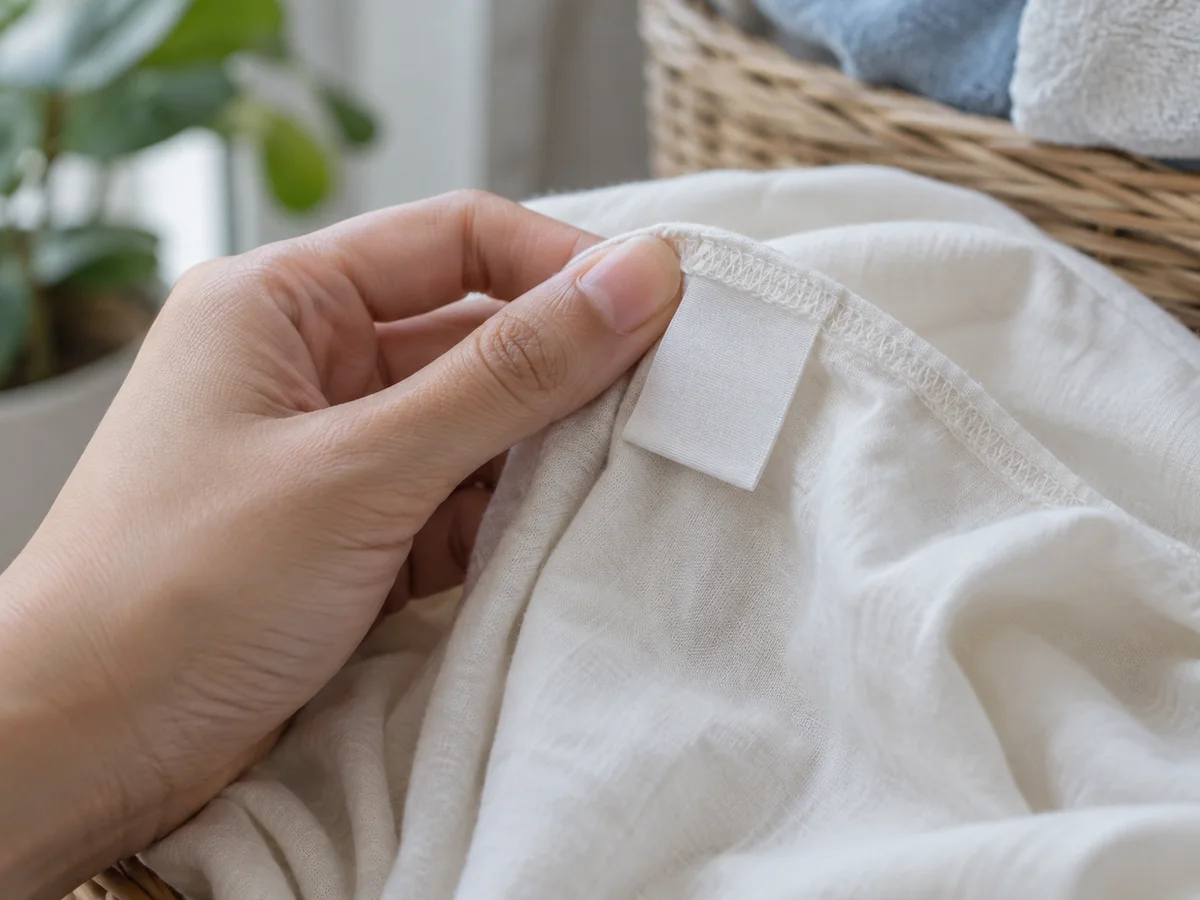
A removable duvet cover and its filled insert are separate items. Read both labels and remove the cover before following the insert’s instructions. A cover that washes easily does not establish that the filling can take the same treatment.
Look for the shell material, filling and cleaning restrictions. Also note the bed size and actual dimensions if the label provides them. “Queen size” is a useful description, but dimensions and construction give a cleaner more information about bulk and handling.
Check for decorative trim, attached embellishments, weak stitching or filling escaping through a seam. Photograph existing damage before transport and discuss whether it needs repair first. Do not assume a routine bedding service includes sewing or restoring a displaced filling.
If the label is missing, contact the bedding maker with a product name or purchase record. When that is not possible, ask a cleaner to assess the uncertainty rather than treating all white bedding as washable cotton.
Let the textile label overrule a machine programme
“Bedding” on a washer is a programme name, not permission to wash every duvet. Samsung’s bedding guidance explicitly tells owners to follow the textile manufacturer’s instructions even when the appliance has a dedicated cycle.
Read washing and drying directions separately. A piece might permit washing but require a particular drying method. Fillings and covers can also respond differently, so do not replace the whole-item instruction with advice for one component.
Use the laundry-symbol guide if the directions are unclear. If you still cannot interpret them, stop before adding water. A photograph of the full label is a good starting point for a service enquiry.
Avoid copying a temperature, soaking time or additive from a guide for a different product. The instructions for a synthetic insert do not automatically apply to wool, silk, down or a mixed-material item.
Check usable capacity, not just the door opening
Maytag’s comforter guide emphasises room for bedding to move inside the drum. Its appliance-size examples are manufacturer guidance, not a universal capacity rule for every machine sold in the Philippines.
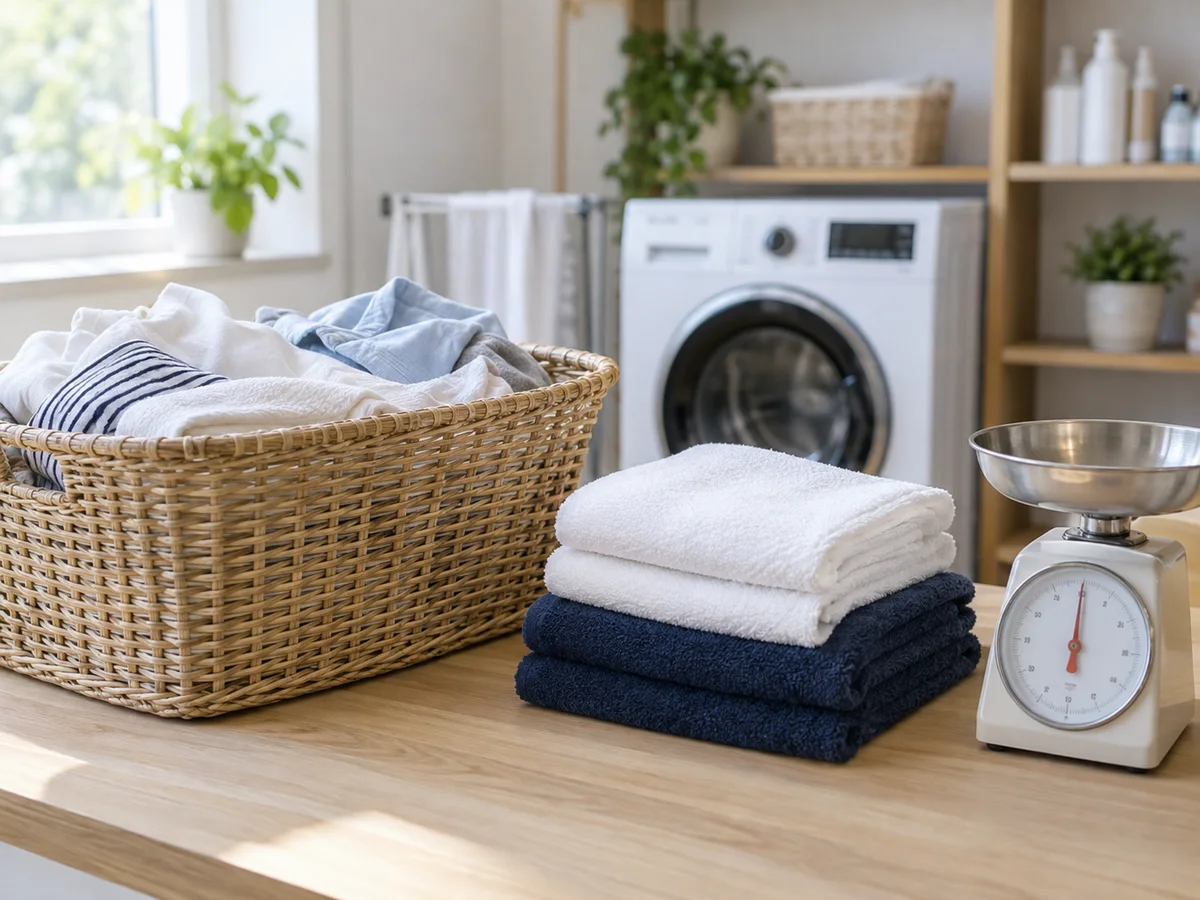
Consult the manual for your exact washer and the particular bedding programme. A general kilogram rating for ordinary laundry is not enough to prove that one large comforter is suitable. Bulky items create a different loading problem from a basket of shirts.
Check the dryer separately. The washer and dryer may have different suitable capacities, even when they are sold as a matching pair. If you own a combination machine, read both its washing and drying limits rather than assuming they are identical.
If you must compress the item heavily to load it, or the manual does not support that bedding type, seek advice before starting. Forcing a wash through is not a useful shortcut when you may be left with a wet item that your drying setup cannot manage.
Prepare the comforter before cleaning
Choose a day when you can complete the entire process and keep another suitable bed covering available. Remove the duvet cover and check corners, ties and closures. Keep detachable components together so they can be counted at the end.
Inspect the shell under good light. Note stains, loose stitching and worn areas. If a mark needs pretreatment, use only a product and method permitted for the item; tell a professional cleaner what you have already tried.
Do not add fabric conditioner, bleach or scent simply because you use it on clothing. Bedding instructions may limit additives. Select the detergent and amount using both the textile and product directions, and follow your appliance’s loading instructions.
For a professional order, provide the item type, dimensions, filling if known, care-label photo and main concern. “Double comforter, label attached, drink spill near one corner” is more useful than “one blanket”. It allows the team to distinguish ordinary bedding from an item needing special handling.
Make a realistic drying plan
Before washing, answer these questions: is tumble drying permitted, does the dryer accommodate the item, and where can you finish the permitted drying process if it needs longer? If air drying is required, identify a clean support that allows the whole item to dry without sitting in a folded heap.
Follow the permitted settings and the appliance instructions. Do not turn the heat up simply because the first cycle did not finish the job. Drying duration depends on the item and equipment, so a fixed online time estimate is not a reliable completion test.
When checking progress, assess more than the thin outer shell. Check thicker sections, seams and corners, and let the item cool before judging whether it is ready for storage. If the item still feels damp in any section, continue an allowed drying method rather than sealing it away.
A persistent musty smell deserves reassessment. Read the separate amoy kulob guide for moisture-related odour; fragrance is not a substitute for resolving the cleaning or drying problem.
If the outside feels dry but the filling does not
A warm shell can make it tempting to stop too soon. Whirlpool’s comforter guidance advises checking dryness after cooling, while Maytag describes redistributing the filling during drying. Apply those checks only within the bedding maker’s permitted method; they are not permission to tumble dry a restricted item.
If tumble drying is allowed, pause as the appliance instructions permit, support the item and check whether it has folded around a damp central area. Reposition it gently and continue at an allowed setting. Do not pull hard on the shell or attempt to force filling through stitched compartments. Inspect several parts of the item rather than testing only the easily reached edge.
If your equipment cannot finish the job, contact a suitable laundry promptly. Explain that the comforter is already wet, which products were used and whether the label allows machine drying. Confirm that the provider accepts wet bedding before transporting it; ordinary dry-item collection terms may not cover that situation.
For future washes, use the drying result to adjust the plan. If the permitted process repeatedly exceeds the space or time you have, arrange outside cleaning from the start. Keep a spare covering ready so the need to make the bed does not become pressure to store or use an incompletely dried comforter.
Decide when a service makes more sense
A service is worth considering when you lack suitable equipment, cannot interpret the label, have several bulky items or cannot provide adequate drying space. It can also be useful when a comforter needs inspection before any treatment begins.
Ask whether the provider accepts that filling and size. Confirm the cleaning method, return timing and how the item is packaged. Do not infer acceptance from a generic “household items” listing, particularly for damaged, unusually delicate or heavily contaminated bedding.
WeClean lists bedding under its Household Items service. Contact the team with the details of your item and ask about assessment and current collection options. The branch directory helps you find the right contact; it does not establish that every item can be processed at every location.
Inspect and store the returned item
Unpack the comforter when you receive it and check it against the intake description. Confirm that separate covers or accessories are present, review the marked area and examine the seams. Raise questions promptly while the order reference is available.
Before putting it away, verify that it is fully dry and follow the maker’s storage instructions. Avoid assuming that vacuum packing is suitable for every filling. Store the clean item where it will stay dry and inspect the storage area if musty odour keeps returning.
For the next clean, keep a photograph of the label and a note of the service category used. That reduces guesswork when a family member or property caretaker handles the bedding later. The aim is a repeatable routine that respects the item, the equipment and the drying space you actually have.