Laundry in the Philippines: Per Kilo vs. Per Load Explained
Understand laundry by kilo and by load, how sorting affects an order, and what to confirm before handing over everyday clothes in the Philippines.
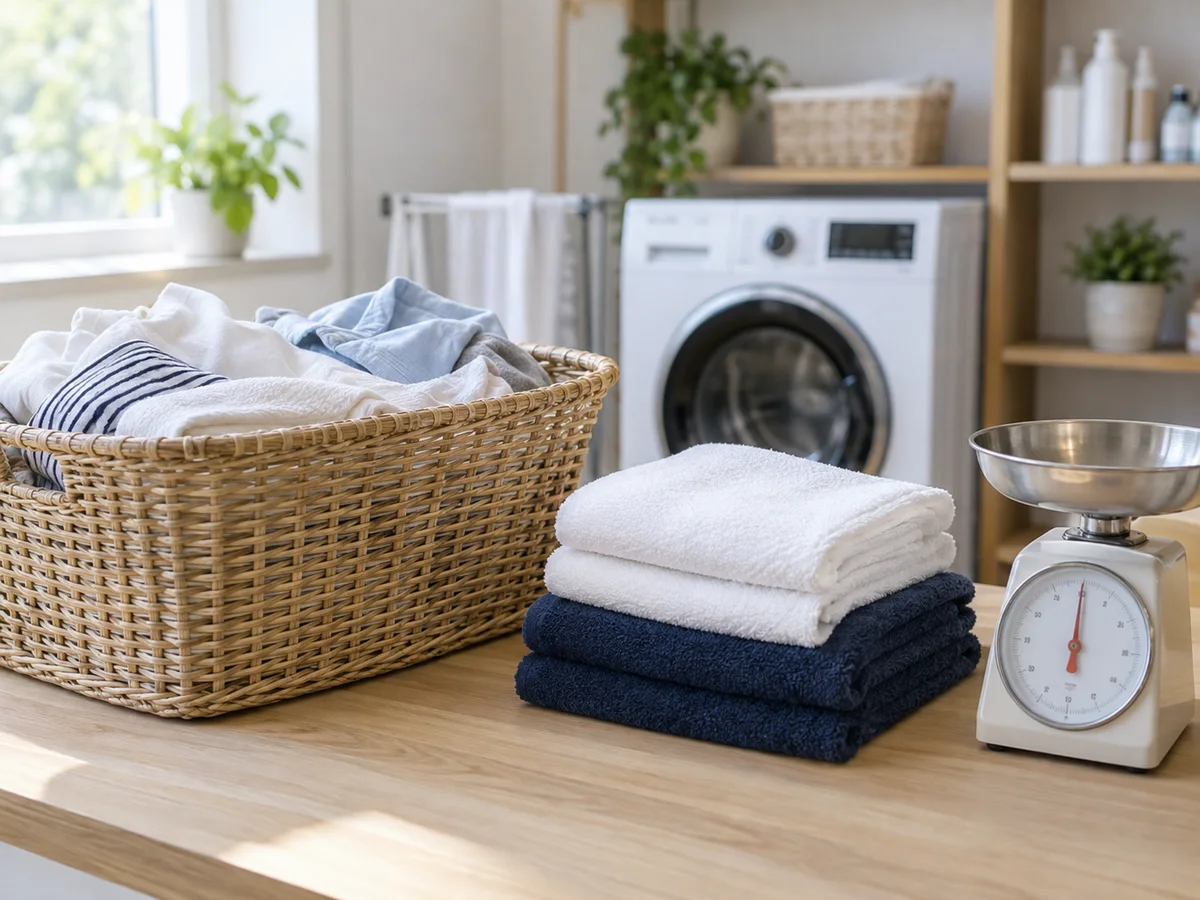
Per-kilo laundry measures an order by weight; per-load laundry groups it into an accepted machine load or service package. Neither term tells you, on its own, who does the washing, whether pressing is included or which garments belong together. Before handing over a bag, confirm the service, the sorting rules and what will be returned.
For a first-time customer in the Philippines, the confusing part is often the word “load”. Your full hamper, the shop’s package and a safe washing-machine load may be three different things. This guide explains the practical difference without rate comparisons.
What per-kilo laundry means
With a per-kilo service, the shop weighs the accepted laundry and records that quantity for the order. Ask whether it weighs clothing before processing, how it handles the bag itself and whether different item categories are weighed separately. Do not assume your bathroom-scale estimate will be the final recorded weight.
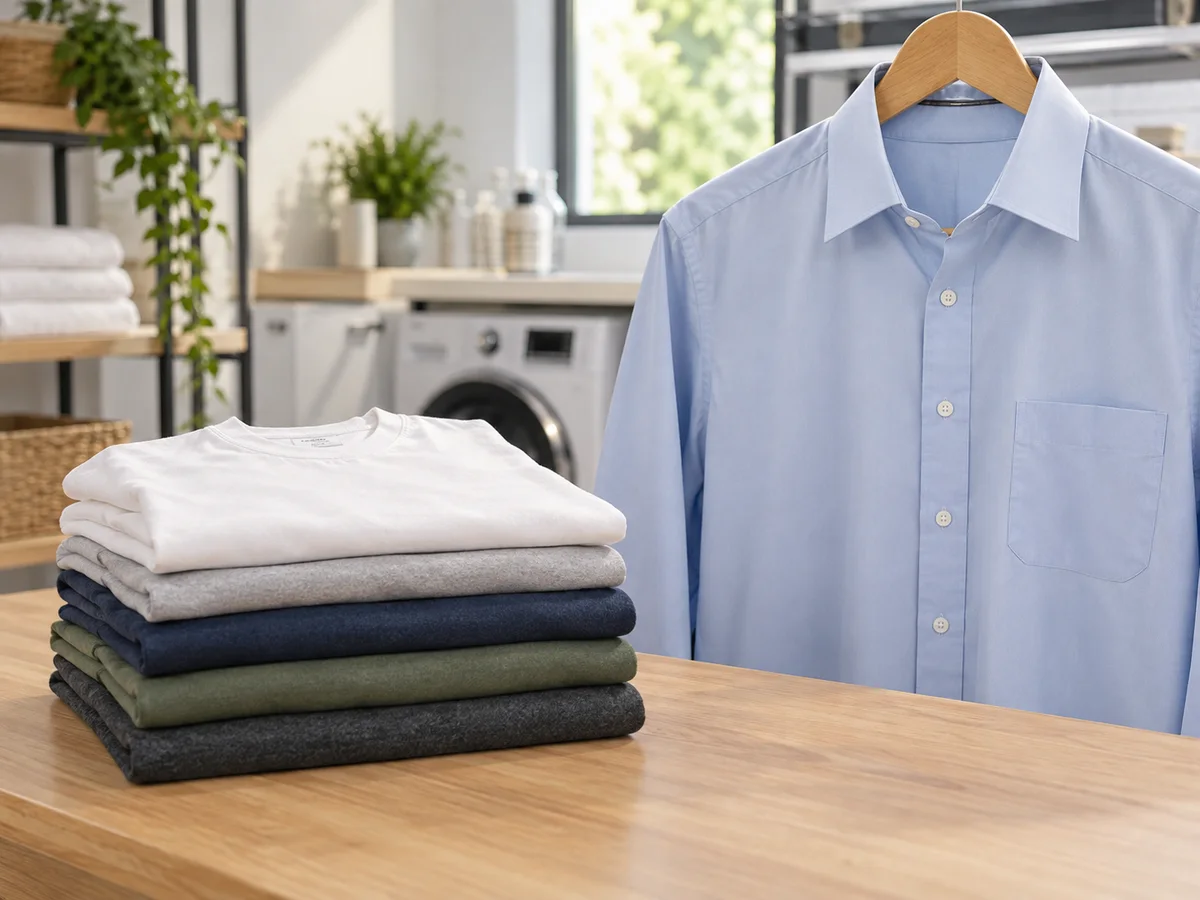
A weight-based order can still need several wash groups. White cotton shirts, dark denim and garments requiring a delicate programme should not be combined simply because they arrived in one bag. The unit used to describe an order is separate from the decisions needed to clean it.
Likewise, a light item is not automatically ordinary laundry. An embroidered blouse may weigh very little yet require individual assessment. Read the garment label before putting it with everyday clothes, and tell the shop about any item you are unsure of.
What per-load laundry means
Per-load service uses a defined load allowance. The shop may describe that allowance by a maximum weight, a particular machine or a named package. Find out which definition applies and whether the package includes washing, drying and folding.
The distinction matters because per load does not necessarily mean self-service. The billing unit describes how the order is measured; self-service and full-service describe who handles the work. Ask the receiving WeClean branch how it defines a load and which processing steps are included.
An allowance is a limit, not a target you must reach. If you have a smaller suitable batch, ask how it will be accepted. Do not add a delicate shirt or bulky duvet just to fill the remaining space. A useful order is one that can be processed correctly from washing through drying.
Weight, volume and sorting answer different questions
Think of preparation as three checks:
- Weight: how much accepted laundry is there?
- Volume: can the items move as required in the equipment being used?
- Compatibility: can those items share the same cleaning and drying instructions?
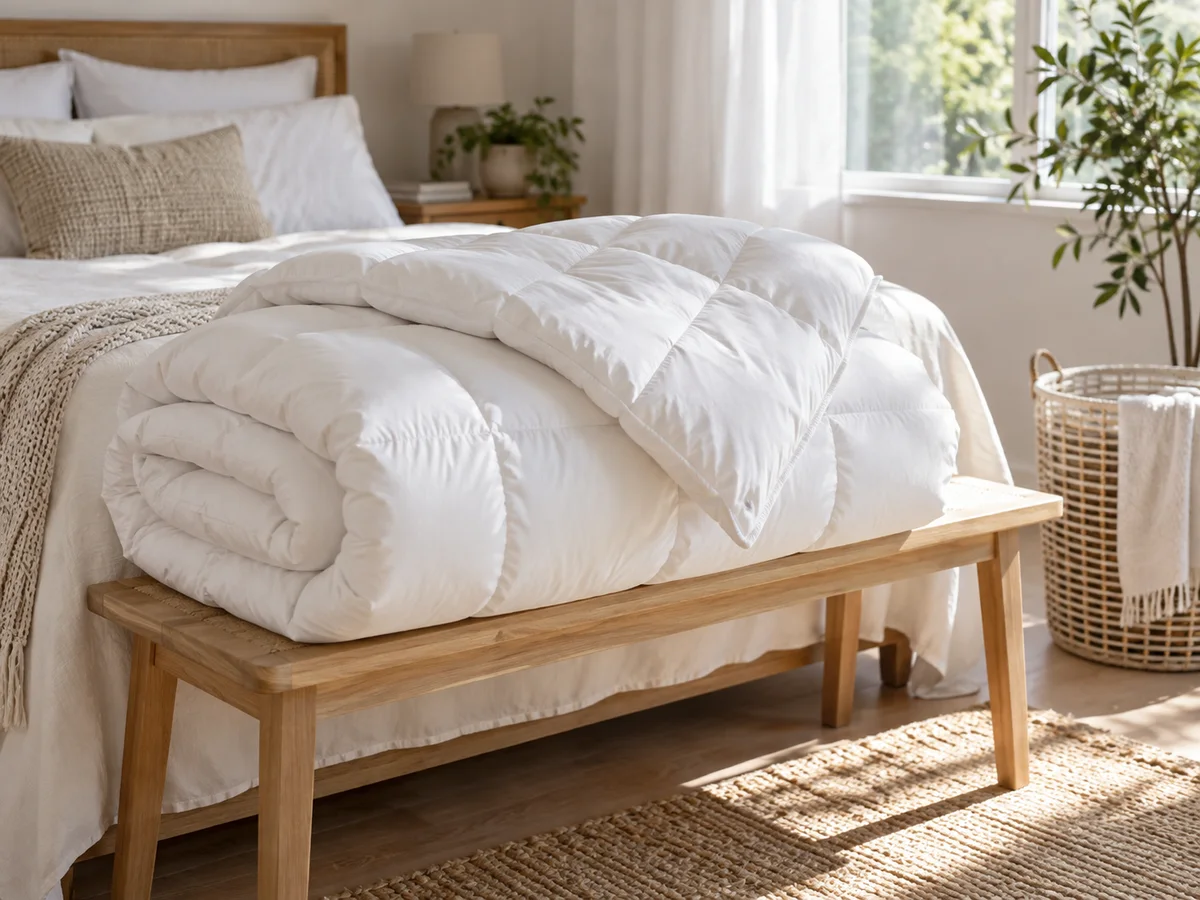
A light, bulky comforter can occupy substantial drum space. A compact bag of denim may be much heavier than it looks. Neither a bag’s appearance nor its weight alone establishes whether it is a suitable single load.
The care label adds another constraint. If one shirt must dry flat while the rest can tumble dry, the order needs a way to identify that shirt throughout processing. Confirm that the service can accommodate the instruction; a note inside a bag is useful only if someone receives and follows it.
For an item-by-item explanation of these restrictions, see the guide to reading laundry symbols. For bulky bedding, use the separate comforter and duvet guide instead of treating it as extra clothing weight.
A mixed-bag example
Imagine a hypothetical order containing everyday T-shirts, dark jeans, two pale office shirts and an embroidered formal garment. This is an illustration of sorting, not a tested WeClean order.
Start by reading the labels. Keep the formal garment aside for assessment. Group the remaining pieces by compatible instructions and flag the pale shirts if you need a pressed finish. The shop can then explain which pieces qualify for its ordinary service and how it will record each group.
The important conversation is not “Can everything fit in one bag?” It is “Which of these items can you process together, and how will you identify the exceptions?” A single collection may contain several service categories, but you should agree that arrangement before handing it over.
If the provider cannot accept an exception, keep that piece at home or arrange a separate specialist service. This is especially useful when a garment is needed for an event: a rushed handover is a poor time to discover that the selected service cannot follow its label.
Read the intake record without confusing the units
A useful receipt separates the quantity received from the service accepted. In a hypothetical order, you might bring one carrier bag containing two groups of ordinary clothing and a separately assessed comforter. “One bag received” records the handover; it does not establish one machine load or one service category.
| Entry to check | What it should clarify |
|---|---|
| Clothing weight | Whether the container is excluded and how fractional kilograms are recorded |
| Load allowance | Which machine or package the allowance refers to |
| Separate pieces | Which items are excluded from the ordinary clothing group |
| Requested finish | Which eligible pieces are folded, pressed or otherwise returned |
If your own estimate differs from the intake record, ask for the weighing method before processing. The shop may use a different scale, remove the bag or separate items you counted together. Ask how rounding is handled instead of assuming the displayed measurement and recorded quantity are identical.
For a load-based order, ask what happens when sorting creates two incompatible groups within the stated allowance. They may require separate processing even though their combined weight is below the limit. Agree that treatment first. Neither combining colours nor adding unsuitable pieces is a good way to make the order match an assumed load count.
Confirm the complete service
Ask what happens after washing. “Wash and dry” may leave folding to you. “Wash, dry and fold” describes a put-away finish, but does not itself promise ironing. Pressing, hanging, hand washing and specialist stain work may be different services.
Also establish responsibility. In a self-service arrangement, you may need to load and unload machines, choose settings, supply products and monitor the drying stage. In a full-service arrangement, the staff perform the agreed processing. Ask rather than relying on the billing unit to tell you.
Before accepting the service, make these questions explicit:
- Which garments and household items are accepted in this category?
- What is the load allowance or weighing method?
- How are incompatible colours or care instructions handled?
- Are washing, drying and folding all included?
- Can the team follow the special instructions attached to this order?
- When will the order be ready, and how will you be notified?
- What happens if an item needs separate assessment before cleaning?
Keep the written order record until you have checked the return. It should make the accepted service and quantity understandable without requiring you to remember a conversation at the counter.
How to prepare for weighing or intake
Empty pockets and remove tissues, receipts, coins and other loose objects. Inspect clothing for detachable accessories and existing damage. Photograph a distinctive item or mark if that helps you explain it clearly; photographs support a discussion, but they do not replace the shop’s intake record.
Use separate, clearly identified bags for different requested services. Describe the exception itself: “This blouse says no tumble drying” is more useful than “Please be careful”. Do not soak or apply a home treatment immediately before collection without telling the cleaner what you used.
If you want a simple preparation sequence, follow the pickup and delivery checklist. The same pocket, label and item checks are useful for a walk-in order.
At return, look beyond the size of the bag. Check that the expected categories are present, special pieces are identifiable and the clothes have the agreed finish. Report a discrepancy while the order details are still available.
Choosing the right option at WeClean
WeClean’s Wash, Dry & Fold service describes in-branch orders by load and pickup orders by kilo. Confirm the current arrangement with the receiving branch, especially when your bag contains bedding or garments with special instructions.
Choose the route that fits the items and the handover you can manage. A walk-in order lets you discuss unusual pieces at the counter; collection can be convenient when carrying laundry is difficult. Neither route changes what the garment label allows.
Use the branch directory to find a contact and describe your order before travelling. The most useful first message is specific: the types of clothing, any care-label exceptions, whether you need collection and when you need the items back. That gives the team enough information to advise on the appropriate service.