How to Remove Amoy Kulob From Clothes
Learn why clothes smell kulob, how to rewash and dry them safely, and how to prevent musty laundry during the Philippines’ rainy season.
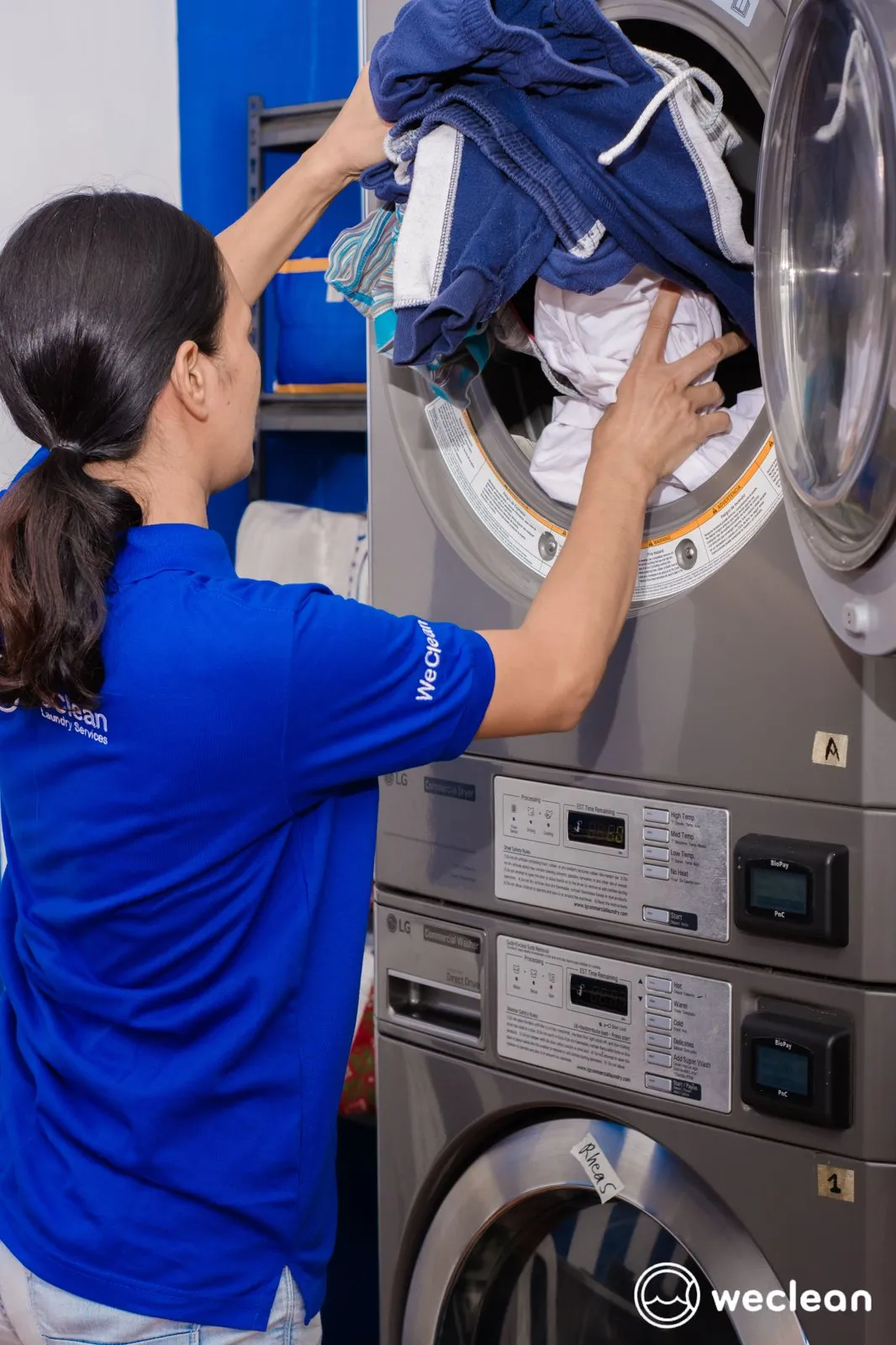
If clean clothes smell kulob—musty, stale or damp—the practical fix is to rewash them according to the care label and dry them completely before folding, bagging or storing them. Fragrance may cover the smell for a while, but it does not correct clothes that stayed damp for too long.
During wet weather, focus on four things: the right wash for the fabric, adequate rinsing, steady airflow and enough drying time. Do not combine household cleaning chemicals in an attempt to make the process stronger.
What to do first
- Check whether the item is merely musty or has visible mold. Speckled growth, persistent staining or a garment that was contaminated by floodwater needs more caution than ordinary rainy-season odour.
- Read the care label. It determines whether the item can be machine washed, which temperature is suitable and whether professional cleaning is required.
- Rewash with detergent. The CDC’s laundry guidance recommends detergent, the recommended water temperature and complete drying. Use the warmest setting the label permits—not a universal hot wash.
- Rinse thoroughly. If the fabric still feels soapy or heavily coated, an extra rinse may help remove residue. Avoid adding more product simply to create a stronger scent.
- Dry every part completely. Check waistbands, pockets, cuffs, seams and thick sections before the item goes into a cabinet or plastic bag.
If a valuable garment, delicate fabric or dry-clean-only item smells musty, stop after checking the label and ask a professional cleaner how it should be handled.
Why clothes develop amoy kulob
The Philippines combines warmth, high relative humidity and substantial rainfall. PAGASA describes the country’s climate as tropical and maritime, with generally high humidity and a national rainy season from June to November, although rainfall patterns vary by region.
Those conditions slow evaporation. A shirt may feel dry across the main panels while its collar or seams remain damp. Problems can also begin before or after drying:
- wet clothes are left in the washer or laundry basket;
- garments are packed too closely for air to circulate;
- thick and thin items are expected to dry at the same speed;
- laundry is folded or sealed while still warm and slightly damp;
- clean clothes are stored in a humid cabinet.
The US Environmental Protection Agency identifies moisture control, ventilation and complete drying as central to preventing mold. A Philippine laundry-training consultant also notes that incomplete drying and sealing warm clothes can contribute to local kulob complaints. That local guidance is useful context, but the safest treatment still depends on the garment and its label.
A fabric-safe way to rewash musty clothes
1. Separate the affected items
Keep musty garments apart until you know they can be cleaned and dried properly. Do not return a still-damp piece to a full hamper or wardrobe.
2. Use the normal amount of detergent
More detergent is not automatically better. Too much can be difficult to rinse from a crowded load. Follow the product directions and the washer’s capacity rather than guessing.
3. Choose the care-label setting
Use the cycle and warmest suitable water temperature allowed by the garment manufacturer. Cold-only, delicate, structured and embellished pieces should not be forced through a harsher cycle simply because they smell musty.
4. Give the load room to move
A tightly packed drum makes washing, rinsing and drying less predictable. Divide a large load if needed, especially when it includes towels, hoodies, denim or bedding.
5. Move the load promptly and dry it fully
Start drying as soon as the wash finishes. If drying indoors, space garments apart and create airflow with an open window, exhaust fan, electric fan, air conditioner or dehumidifier where practical. EPA guidance recommends increasing ventilation and air movement when moisture is a concern.
6. Let clothes cool before packing
Warm laundry can feel dry at first touch. Let it cool, then check thick areas again before putting it into a plastic bag, drawer or wardrobe.
Be careful with bleach, vinegar and internet recipes
Different fibres, dyes and finishes react differently to acids, oxidising agents and high temperatures. A recipe that works for a white cotton towel may fade, weaken or mark another item.
Most importantly, never mix bleach with ammonia or other cleaning products. CDC mold-safety guidance warns that mixed cleaners can create dangerous vapours. If you plan to use any laundry additive, follow its label and confirm that both the garment and washing machine permit it.
For children’s clothing, uniforms, sensitive-skin items or valuable garments, ask the manufacturer or a qualified cleaner before trying an unfamiliar treatment.
How to prevent kulob during rainy season
Use this checklist before every wet-weather laundry day:
- Check the forecast and start only the amount you can dry properly.
- Remove washed clothes from the machine promptly.
- Leave space between items on the rack.
- Turn thick garments and expose pockets, cuffs and waistbands to airflow.
- Keep damp towels separate from dry clothing in the hamper.
- Do not fold, bag or store an item until every section is cool and dry.
- Keep the wardrobe ventilated and investigate recurring dampness in the room.
- Rewash an item that still smells musty instead of masking it with fragrance.
When professional laundry is the practical choice
A professional service can make sense when prolonged rain, limited condo space or a large household load makes complete drying difficult. It is also useful for bulky pieces that do not move freely in a home washer.
WeClean’s Wash, Dry & Fold service handles everyday garments, while pickup and delivery can remove the need to transport a wet-weather load yourself. Check the care labels, separate specialist items and describe any persistent odour or visible marks before handing the order over.
You can also find a WeClean branch and confirm the services and pickup coverage available for your address.
Frequently asked questions
Why do my clothes smell kulob even after washing?
The load may have remained damp too long, dried unevenly, been packed while warm, or absorbed moisture again in storage. Detergent residue and an overloaded machine can also make rinsing and drying less reliable. Rewash the affected items and concentrate on complete drying and airflow.
Can I spray perfume or fabric freshener on the clothes?
Fragrance may hide the odour temporarily, but it does not dry a damp garment or remove the cause. Fix the washing, drying or storage problem first.
Is visible mold the same as ordinary amoy kulob?
No. A musty smell can be an early warning that moisture control failed, but visible growth or heavy contamination requires more cautious assessment. Do not brush or treat a delicate or valuable item aggressively; ask a professional whether it can be cleaned safely.
Should I put musty clothes straight into the dryer?
If the item smells musty after sitting damp, rewash it first rather than drying in the odour. Always follow the care label because not every garment can tolerate tumble drying or heat.