Hotel Laundry Services Philippines: Buyer’s Guide
Compare hotel laundry services in the Philippines with a practical checklist for scope, turnaround, linen tracking, contracts and commercial quotes.
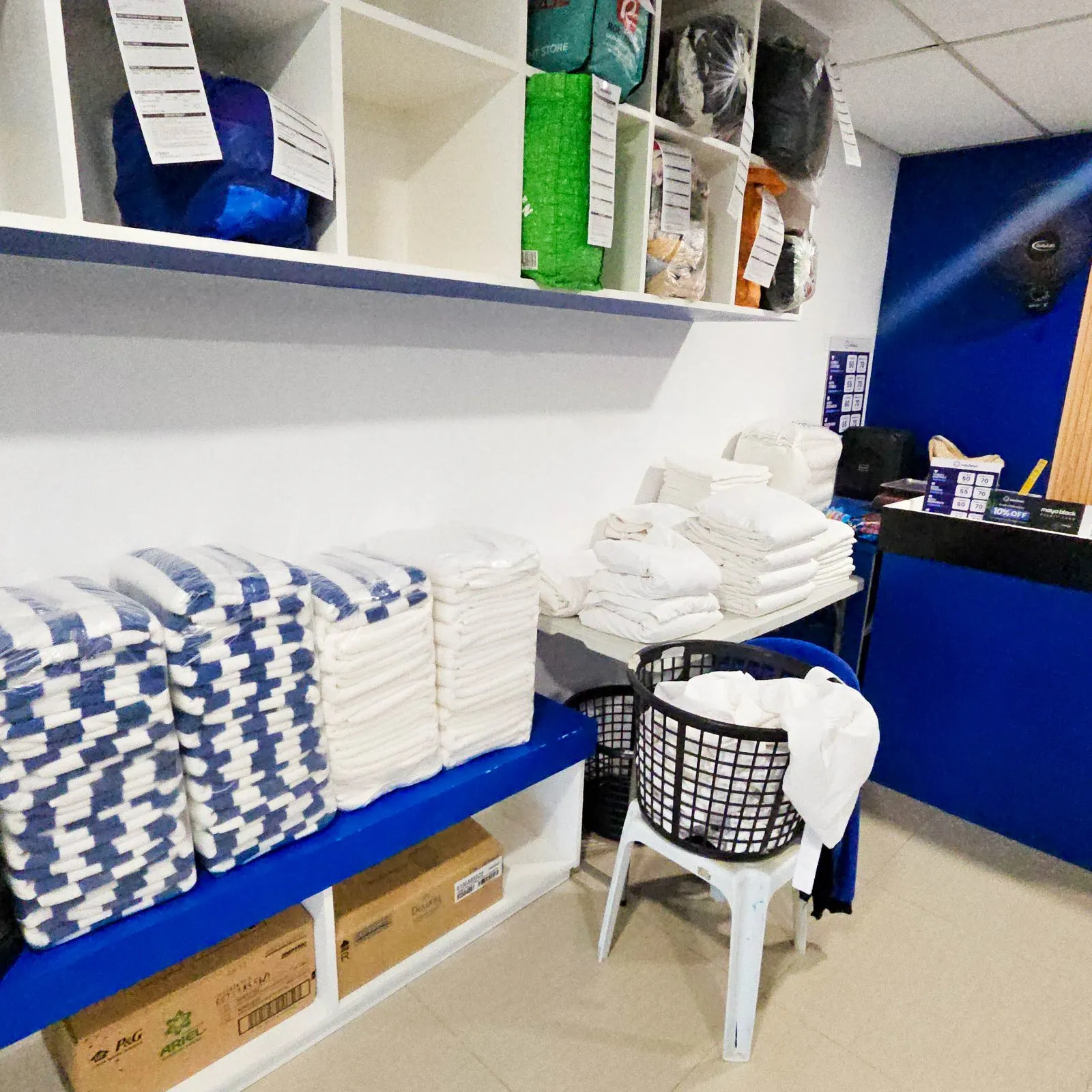
The right hotel laundry partner is not simply the provider with the lowest rate. It is the one that can match your actual linen volume and operating calendar with clear, written arrangements for collection, turnaround, counting, rewashing, damaged items, peak demand and escalation.
Before requesting quotes, define what leaves the property, how much of it moves on an ordinary day and what changes at high occupancy. That produces comparable proposals and exposes operational gaps before they affect room turnover.
In-house laundry or an outsourced provider?
Neither model is automatically better for every property. The decision depends on location, available space, equipment, staffing, utilities, linen types, occupancy patterns and the level of control the hotel needs.
| Question | In-house laundry | Outsourced laundry |
|---|---|---|
| Equipment and maintenance | Managed and funded by the property | Managed by the provider |
| Staffing and training | Hotel responsibility | Provider responsibility for processing staff |
| Process control | Direct operational control | Controlled through specifications, checks and the contract |
| Collection logistics | Movement stays within the property | Requires agreed pickup, return and handover procedures |
| Breakdown risk | Hotel needs its own contingency | Provider’s backup capacity must be evaluated |
| Cost comparison | Include labour, utilities, space, chemicals, maintenance and replacement | Include processing, transport, minimums, surcharges, loss/damage and internal handling |
The ASEAN hotel-housekeeping training manual describes both on-premise and off-site models. It identifies capital, staffing, utilities and space among the in-house considerations, while an external service requires careful control of schedules, counts, shortages, damage and quality.
Some properties use a hybrid: routine items remain on site while flat linen, specialist finishing, dry cleaning or overflow volume goes to an external provider. Evaluate the workflow that fits your operation rather than assuming the entire programme must move at once.
Define the scope before comparing prices
Two hotels with the same room count can produce very different laundry requirements. A useful scope separates each textile stream instead of quoting one estimated total.
Guest-room linen
- sheets and pillowcases;
- duvet covers, blankets and protectors;
- bath towels, hand towels, face towels and bath mats;
- robes and reusable guest amenities.
Food and beverage
- tablecloths, runners and napkins;
- kitchen and service uniforms;
- selected washable kitchen textiles, where the provider accepts them.
Facilities and wellness
- pool and beach towels;
- spa sheets, towels and robes;
- gym towels;
- housekeeping and engineering uniforms.
Guest laundry and dry cleaning
Guest-owned clothing needs a separate intake, identification, pricing, approval and liability process. Do not assume it is included because the provider washes hotel-owned linen.
For each category, record the fabric, colour, size, average daily quantity, peak quantity, finish required and any stains or oils that occur regularly. Ask the provider to confirm what it will not accept.
Hotel laundry provider checklist
1. Capacity that matches real peaks
Share ordinary and high-occupancy volumes, not only monthly averages. Ask how the provider handles weekends, events, weather disruption and equipment failure. Capacity claims should be tied to your location and schedule.
2. Collection and return windows
Specify the days, handover point, loading access, contact person and acceptable arrival window. A stated turnaround is only useful when everyone agrees when the clock starts and which delivery the linen returns on.
3. Linen counts and chain of custody
Agree how items are counted at collection and return, who signs the record, how discrepancies are reported and how long a claim remains open. Separate hotel-owned linen, rented linen, staff uniforms and guest clothing.
4. Quality and finishing standard
Describe an acceptable result by item category: stain status, odour, dryness, pressing, folding and packaging. Decide how the hotel will sample returned loads and how frequently performance will be reviewed.
5. Rewash procedure
Clarify which items qualify for rewash, whether the service is charged again, how they are labelled and the return priority. The process should distinguish a provider quality issue from permanent staining or linen that has reached the end of its usable life.
6. Loss and damage
Put the reporting, investigation and compensation process in writing. Include pre-existing damage, rejected items, colour transfer, shrinkage, tears and missing pieces. Guest garments may require different limits and approvals.
7. Clean and soiled separation
Ask how soiled textiles are contained, transported and handed over, and how clean items are protected on return. The contract should identify who supplies bags, carts, labels and other transport materials.
8. Business continuity
Request the plan for breakdowns, transport disruption, extreme weather and unexpected occupancy. Define who contacts whom, what gets prioritised and when the hotel should activate its own backup stock or supplier.
9. Transparent commercial terms
Confirm whether pricing is per kilogram, per piece, per load or a combination. List transport charges, minimum volume, rush work, rewashes, difficult stains, rejected linen, guest clothing, taxes and payment terms separately.
An attractive base rate is not comparable if essential operational items appear later as exceptions.
What belongs in a hotel laundry agreement
The ASEAN manual recommends agreeing contract details such as linen specifications, items processed, stock levels, collection frequency, approximate delivery times, transport equipment, emergency procedures, rewashing, damaged linen, shortages, packaging, stocktakes, contacts, pricing and payment terms.
Convert those topics into measurable terms for your property:
- exact item categories and exclusions;
- estimated normal and peak volume;
- collection and return schedule;
- turnaround definition and urgent-work rules;
- count and handover records;
- quality inspection and rewash process;
- loss, damage and rejected-item procedure;
- clean packaging and soiled-linen containers;
- service during breakdowns or disrupted transport;
- escalation contacts and response expectations;
- pricing, minimums, invoice detail and review dates;
- trial period, performance review and termination process.
Have the final agreement reviewed by the people who operate it—housekeeping, procurement, finance and the provider—not only by the person requesting the first quote.
Information to prepare for a commercial quote
A provider can respond more accurately when the initial enquiry includes:
- Property name and exact collection address.
- Property type, number of rooms and relevant outlets.
- Current or expected occupancy pattern.
- Item list with estimated daily or weekly volume.
- Current linen ownership model.
- Required collection frequency and return windows.
- Folding, pressing, packaging and labelling requirements.
- Regular stain types or specialist items.
- Guest laundry, uniforms, spa, pool or food-and-beverage requirements.
- Target start date and proposed trial volume.
Avoid sending only a room count and asking for a final price. The unanswered operating details will return later as assumptions or exclusions.
Discussing a hotel programme with WeClean
WeClean’s public Commercial Laundry service covers hotels, resorts and other local businesses and describes pricing as tailored to volume, schedule and budget. Its current public page also states a 24-hour turnaround.
For a hotel account, treat that public information as a starting point—not a substitute for a property-specific agreement. Confirm processing capacity, eligible items, pickup windows, peak-volume arrangements, packaging, counting and escalation in the written proposal.
WeClean currently lists 14 branches across Metro Manila, Palawan and Siargao. Commercial availability still needs to be confirmed for the property’s exact address and operating scope; the branch list should not be interpreted as automatic nationwide coverage.
When the scope is ready, contact WeClean with the item categories, estimated volume, schedule and location. A representative pilot load is a sensible next step before transferring a full hotel programme.
Frequently asked questions
Is outsourced hotel laundry always cheaper?
No. Compare the provider’s complete commercial proposal with the hotel’s full in-house costs and responsibilities, including equipment, maintenance, utilities, labour, space, chemicals, transport, internal handling and linen replacement. The answer changes by property.
Should a hotel choose a per-kilo or per-piece quote?
The right model depends on the item mix and how the property tracks linen. What matters is that the unit, weighing or counting method, minimums and exceptions are unambiguous. Some scopes may require a combination.
Can hotels outsource guest laundry as well as room linen?
Some providers can, but guest-owned garments require separate intake, identification, pricing and damage procedures. Confirm capability and terms rather than including guest clothing automatically.
What should a pilot test measure?
Use representative items and realistic volume. Record collection punctuality, returned counts, dryness, odour, stain status, finish, folding, packaging, documentation and response to any issue. A successful small trial does not prove unlimited peak capacity, so confirm the scaling plan separately.